
South Florida stretches from the Everglades edge to the Atlantic coast and the Florida Keys, covering a region where leisure travel means something very different depending on where you plant your feet. Whether you're fishing off the Gulf, exploring national parks, or unwinding near a golf course, choosing the right base matters more than most travelers realize before they book.
What It's Like Staying in South Florida
South Florida is one of the most geographically diverse leisure destinations in the United States, where a single trip can move from the flat wetlands of the Everglades to the turquoise shallows of the Florida Keys in under an hour. Car travel is essentially mandatory across most of the region - distances between attractions can stretch well beyond what any rideshare makes practical, and public transit coverage outside Miami's urban core is minimal. Visitor numbers spike sharply from December through April, when snowbirds and international tourists flood the area, while summer months bring humidity and storm risk but also noticeably quieter roads and lower prices - sometimes around 30% less than peak-season rates.
The region suits travelers who want active, nature-forward leisure: fishing, kayaking, wildlife watching, beach access, and golf are the primary draws across cities like Port St. Lucie, Homestead, and the Keys. Urban nightlife seekers or those relying entirely on walkability will likely find Miami Beach a better fit than the broader South Florida leisure corridor.
Pros:
- Unmatched access to Biscayne National Park, Everglades National Park, and the Florida Keys chain - all within day-trip range from most South Florida leisure hotels
- Leisure infrastructure is purpose-built: marinas, golf resorts, fishing lodges, and beachfront properties are widely available across price points
- Year-round outdoor activity is genuinely feasible, with average winter temperatures staying above 70°F
Cons:
- A car is non-negotiable - without one, most leisure attractions and even basic dining options become logistically difficult
- Hurricane season (June through November) introduces real weather uncertainty, particularly for beach or water-based trips
- Peak-season demand (December-April) compresses availability fast, especially in the Florida Keys, where accommodation options are limited by geography
Why Choose Leisure Hotels in South Florida
Leisure hotels across South Florida are built around the activities that define the region - fishing, golf, beach access, and park exploration - rather than business amenities or convention facilities. Room configurations tend toward suites and kitchenette layouts, reflecting the longer average stay that leisure travelers take compared to business trips. This matters practically: a suite with a microwave, fridge, and full kitchenette cuts daily food costs significantly on trips longer than three nights, a common stay pattern in this region. Prices across South Florida's leisure segment vary considerably by subregion - inland options near Sebring or Port St. Lucie run meaningfully lower than Keys-adjacent properties, often by around 40% per night for comparable room types.
What separates South Florida's leisure hotels from their counterparts in, say, Orlando or Tampa is the outdoor-first orientation: private beach access, on-site fishing docks, marina tie-ups, and barbecue areas are standard features rather than upgrades. Noise and foot traffic are rarely an issue outside of peak holiday weekends, giving most leisure stays a genuinely unhurried pace. Families, couples on fishing trips, and golf-focused travelers extract the most value from this category; solo urban travelers or those prioritizing restaurant-walkability will find the trade-offs harder to absorb.
Pros:
- Kitchenette-equipped rooms are standard across most South Florida leisure properties, reducing meal costs on multi-night stays
- Direct access to water-based activities - fishing, snorkeling, and boating - is built into many properties rather than requiring separate arrangements
- Free parking is nearly universal, making car-dependent exploration across the region far more cost-effective than in Miami proper
Cons:
- Leisure hotels outside the Keys or beachfront zones can feel isolated without a car, limiting spontaneous dining or activity changes
- Seasonal outdoor pools are common, meaning amenities may be restricted during cooler months at certain properties
- On-site dining options are limited at most South Florida leisure hotels - guests typically need to drive to find full restaurant service
Practical Booking & Area Strategy
South Florida's leisure geography divides into three practical zones for travelers deciding where to base themselves. The Treasure Coast corridor - anchored by Port St. Lucie - offers golf-resort access and proximity to Jensen Beach without the pricing pressure of the Keys; it suits couples and golf travelers who want space and value. Homestead and Florida City sit at the gateway to both the Everglades and the upper Florida Keys, making them the most strategically positioned bases for park-focused itineraries - Biscayne National Park is under 10 miles from Florida City, and the entrance to Everglades National Park is similarly close. The Keys themselves reward early booking: properties in Conch Key and surrounding islands have limited inventory, and peak-season availability dries up fast, often requiring reservations 8 or more weeks in advance for December-March travel.
Inland Highlands County towns like Avon Park and Sebring cater to a different traveler entirely - those using South Florida as a base for lake fishing, motorsports events at Sebring International Raceway, or slow-travel road trips through central Florida. Distances from Avon Park to coastal beaches run around 90 minutes, so this zone works best as a budget-conscious stop rather than a beach-focused base. For first-time South Florida leisure travelers, Florida City or Port St. Lucie offer the most flexible positioning, balancing access to the Keys, national parks, and Atlantic beaches without locking you into a single activity corridor.
Best Value Leisure Stays
These two properties offer strong practical value for leisure travelers who prioritize access to natural attractions and functional amenities over resort-style finishes - both deliver free parking, outdoor pools, and complimentary Wi-Fi at accessible price points.
-
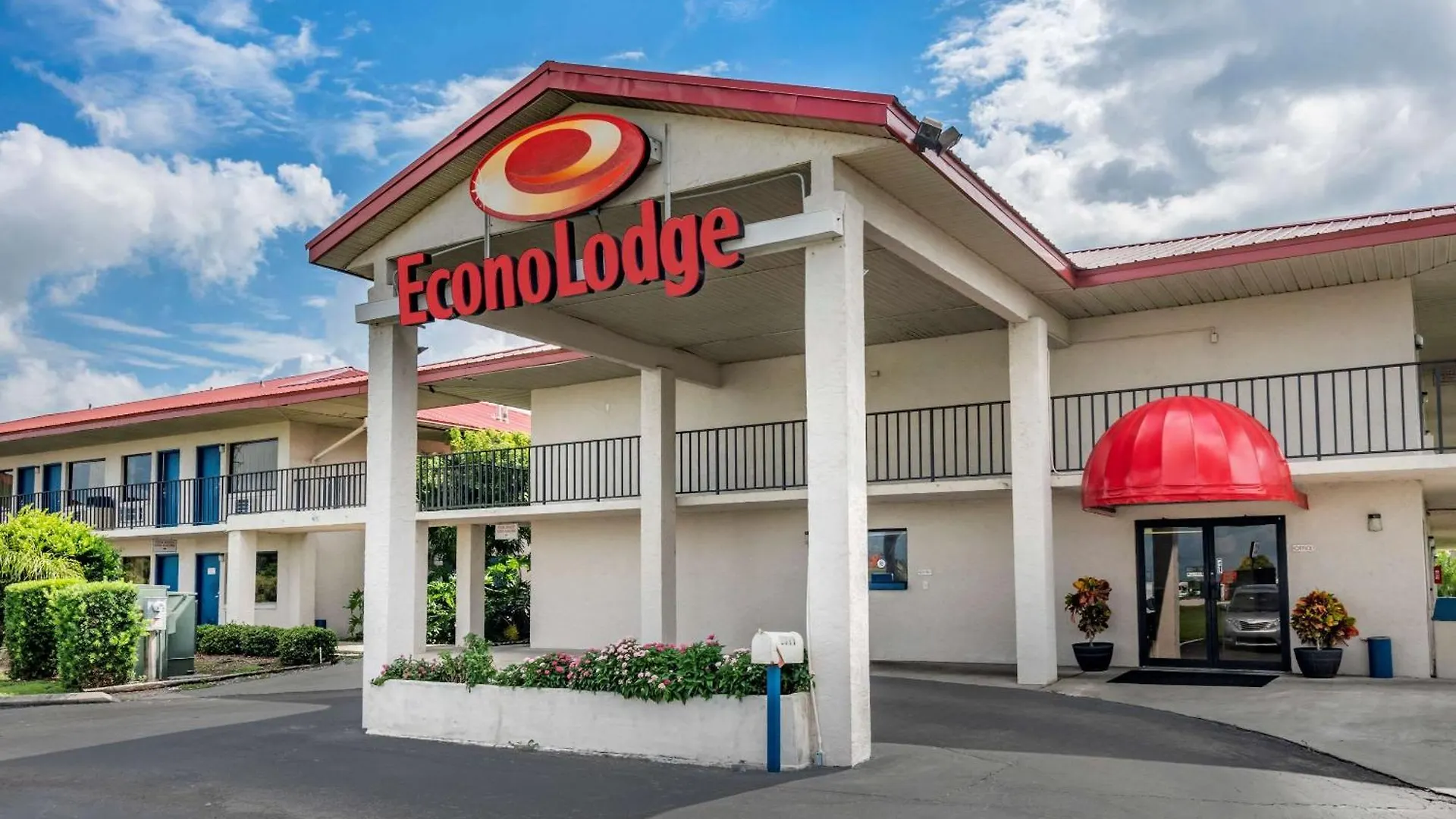
1. Econo Lodge Sebring
Show on map


 Check-infrom 15:00 until 23:59Check-outuntil 11:00
Just a few rooms left at the best rate!
fromUS$ 60
-
2. Budget Host Inn Florida City
Show on map


 Check-infrom 16:00 until 23:59Check-outfrom 10:00 until 11:00
Just a few rooms left at the best rate!
fromUS$ 57
Best Premium Leisure Options
These two properties offer more distinctive leisure experiences - one built around water-access and Florida Keys atmosphere, the other around golf-resort proximity and extended-stay comfort on the Treasure Coast.
-
3. Conch Key Fishing Lodge & Marina
Show on map


 Check-infrom 16:00 until 23:59Check-outfrom 06:00 until 11:00
Hurry – almost gone at this price!
fromUS$ 241
-
4. Mainstay Suites At Pga Village
Show on map


 Check-infrom 15:00 until 23:59Check-outuntil 11:00
Rooms filling fast – secure the best rate!
fromUS$ 68
Smart Travel & Timing Advice
South Florida's leisure season operates on a sharp seasonal curve. December through March is peak demand across the entire region - Keys properties like Conch Key fill up weeks in advance, and rates at golf-resort-adjacent hotels near Port St. Lucie climb noticeably. Travelers targeting this window should book at least 8 weeks ahead, particularly for waterfront properties in the Keys where inventory is structurally constrained by the narrow island geography. April and early May offer an attractive shoulder window: crowds thin after spring break, weather remains warm and dry, and prices begin to drop before summer storm season sets in.
June through September brings genuine trade-offs - humidity is high, afternoon thunderstorms are routine, and hurricane risk is real, particularly in August and September. That said, budget travelers can find rates around 30% below peak during this period, and national parks like Everglades and Biscayne are far less crowded. For most leisure travelers, a stay of four to five nights is the practical minimum to justify the driving distances involved in exploring multiple South Florida zones - shorter stays tend to compress the experience uncomfortably around transit time rather than actual leisure.


